Platanus occidentalis
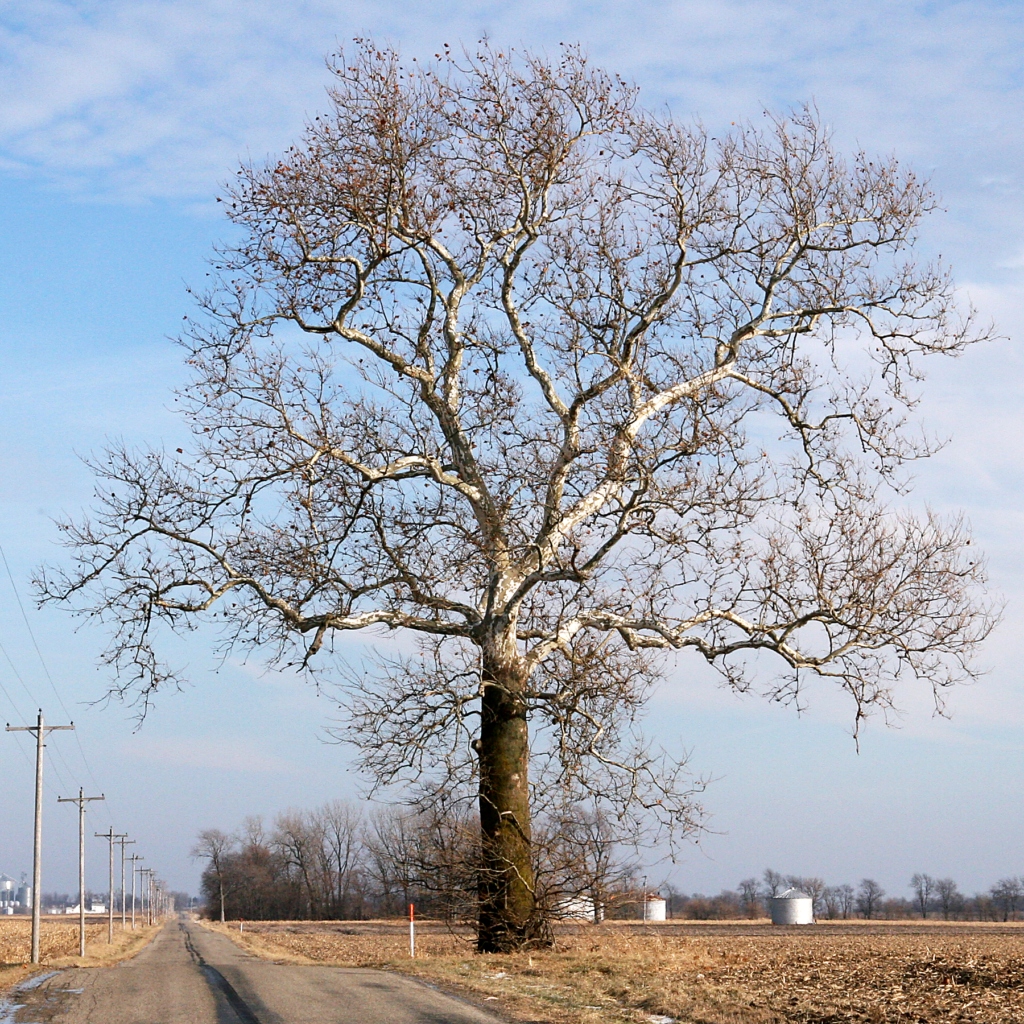
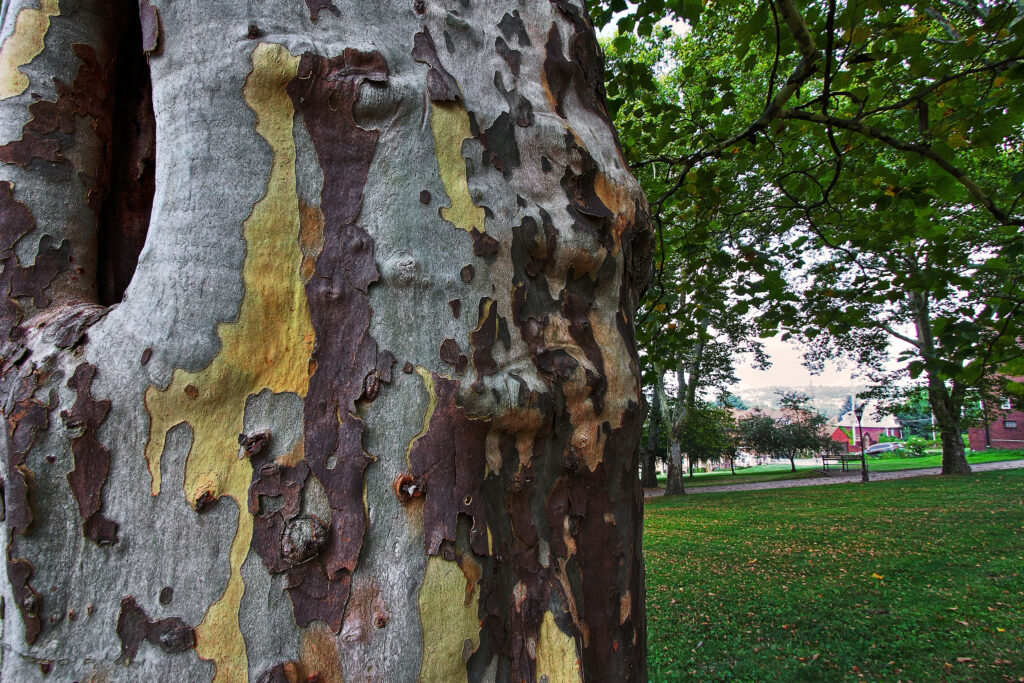
American sycamore is a common sight on the Reservation, particularly along riparian zones and wetlands. On older branches/trunks, the outer bark peels away and reveals its characteristic stark-white inner bark. Speaking of inner bark, the heartwood within P. occidentalis rots quickly and creates large hollow cavities for all kinds of wildlife to take advantage of, making it quite homey for some. Furthermore, this tree is long-lived and often grows to have truly giant proportions. The largest recorded was over 170 ft. tall and around 13 ft. in diameter, though historical records suggest even larger ones existed. Heck, some were so large they were even used as temporary homes for early settlers across Appalachia.
Family: Platanaceae
Foliage: Deciduous
Mature height range: 90 to 130 ft.
Light exposure: Full Sun to Partial Shade
Soil preference: Moist
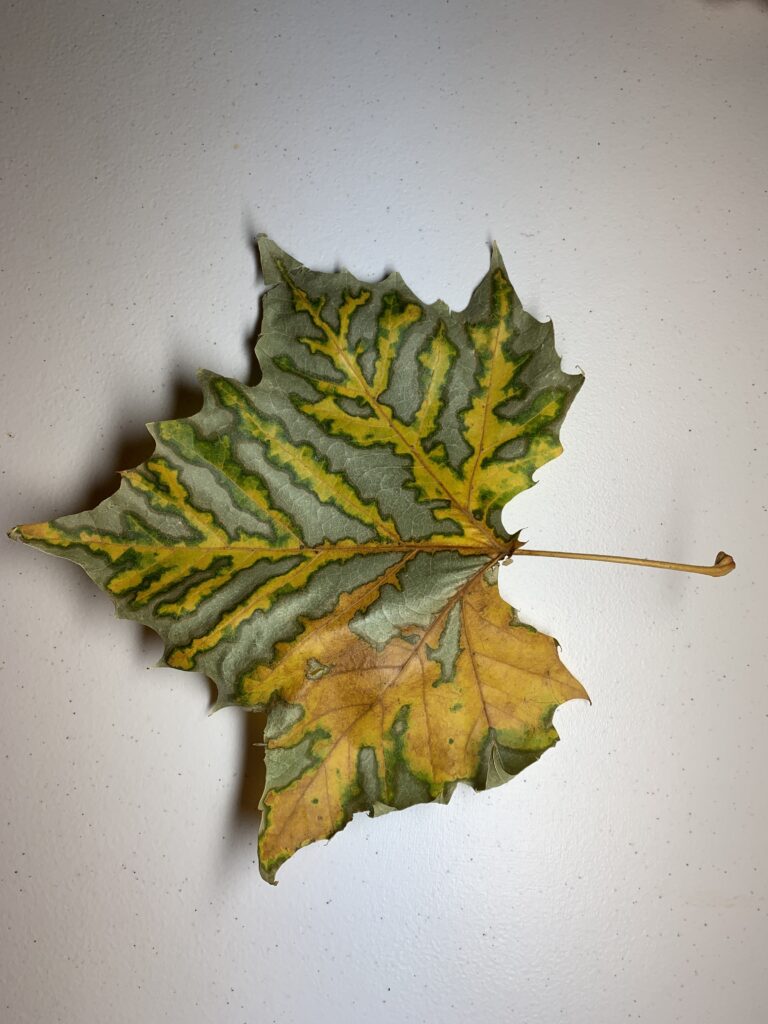
Tolerance: Tolerates poorly drained sites and frequent flooding well but will succumb to flooding events longer than two weeks. Can adapt to urban environments but is susceptible to plan anthracnose disease.
Wildlife: Nesting by birds and mammals and larval host plant for the sycamore tiger moth (Halysidota harrisii)